
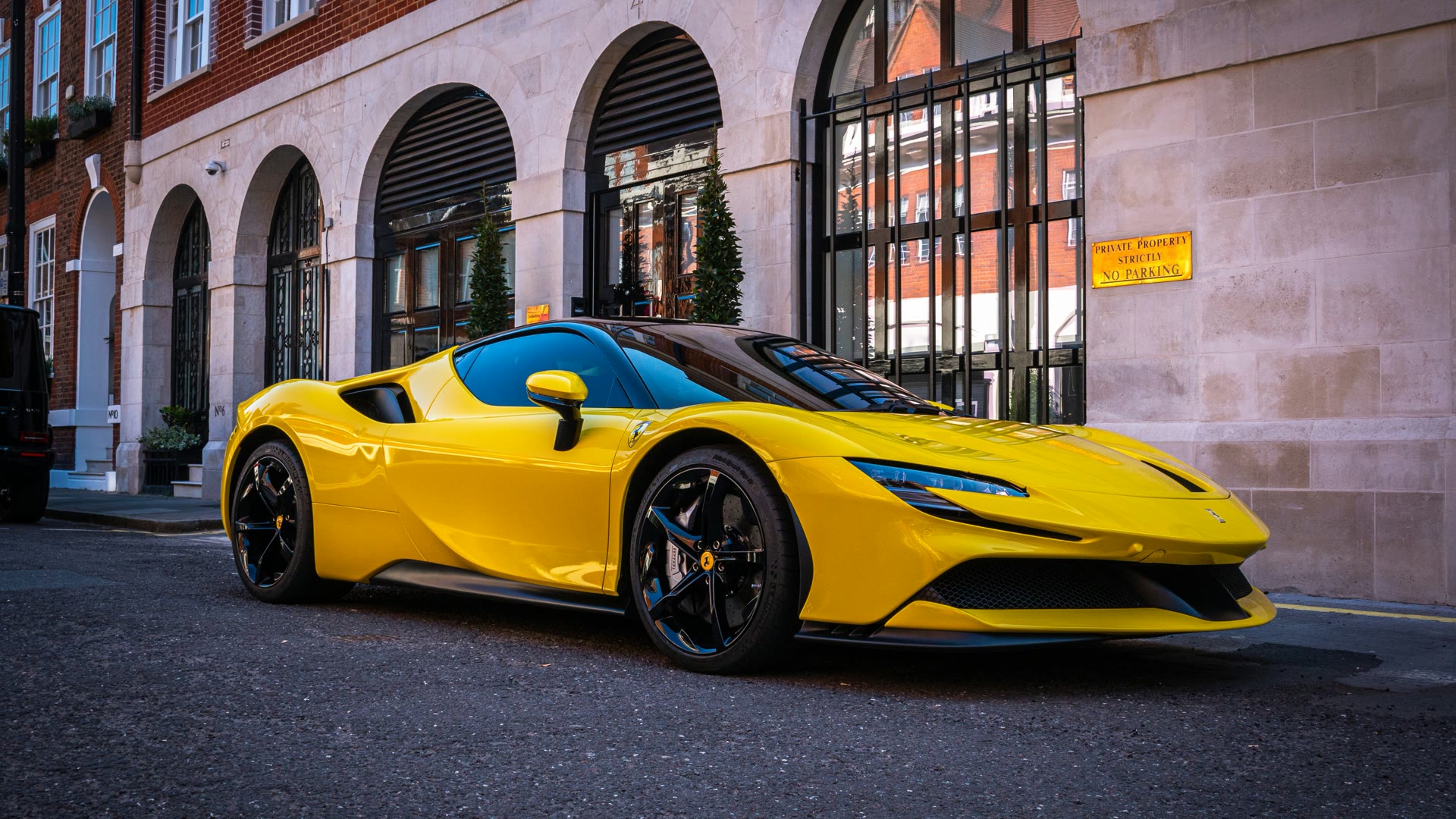
Car Tinting Fremantle Perth, Western Australia
In Fremantle and across Western Australia, every window forward of the "B" pillar needs at least 35% visible light transmission (VLT), whether or not film is fitted. Glass behind the "B" pillar needs at least 20% VLT, and only where ADR14-compliant external rear vision mirrors are fitted on both sides. The windscreen takes no film beyond a band above the wiper sweep.
Quick answer: The legal result is based on the combined VLT of the factory glass and the installed film, not the VLT printed on the film box. A 35% film can therefore produce a final result below 35% once applied to factory glass.
Our Fremantle visits are part of our car window tinting across Perth, and with tinting at your home or workplace there is no drop-off or waiting room. Ask about nano-ceramic tint if you want the strongest heat control. Our nearby service areas include Myaree, Applecross and Rockingham.
Car Tinting Fremantle for Heat, Glare and Interior Comfort
Heat Rejection Window Film for Hot WA Summers
Solar heat entering through vehicle glass makes a cabin uncomfortable whether the car is parked or moving. A well-chosen automotive film manages that incoming energy while keeping the finished visible-light level suited to the vehicle and to WA requirements.
Manufacturer-published specifications for Rayno Phantom S9 list up to 64% total solar energy rejection (TSER) and more than 99.99% UV rejection for selected variants. SunTek CIR variants list more than 99% UV rejection. Final performance depends on the film, the factory glass and the window position.
- Reduced harsh sunlight through side glass
- Improved cabin comfort during regular travel
- Less distracting brightness from reflective roads and nearby vehicles
- Added protection for upholstery and interior trim from UV exposure
Glare Reduction for Safer Driving and Protected Interiors
Glare is a persistent issue for drivers travelling near water, through open intersections or past reflective surfaces. Window film softens excess brightness through the side and rear glass without using reflective or mirror-look film, which is not permitted here.
UV exposure also fades and wears interiors over time. The SunTek CIR Series holds the Skin Cancer Foundation Seal of Recommendation for products providing 99% or greater UV protection across the 300 to 380 nm range.
A darker film is not automatically the better choice. The right result balances solar control, outward visibility, the factory glass and the WA legal limits.
Common Fremantle driving concerns addressed by tinting
- Coastal glare during regular commuting
- Solar heat in outdoor parking areas
- UV exposure affecting upholstery and interior trim
- Privacy and comfort while retaining a legal visible light transmission
How much does car tinting cost?
Car tinting in Fremantle starts from $249 and runs to around $550, subject to make and model. Price depends on film type, glass area, whether old film needs removing, and the warranty. Ask for a written quote covering GST, preparation, installation and aftercare.
A small hatchback with standard film sits near the lower end. A sedan, SUV, four-wheel drive or people mover costs more because it carries more glass, larger panes or a more complex layout.
What affects the price?
- Film type: dyed film is the most affordable, while carbon and nano-ceramic films cost more.
- Vehicle size: larger windows and extra glass increase both labour and material.
- Old tint removal: bubbling, faded or adhesive-heavy film takes extra preparation and may be quoted separately.
- Warranty and finish: premium film ranges carry longer manufacturer cover.
- Installation conditions: mobile work needs a covered, clean and accessible area.
When comparing quotes, check the price includes GST, cleaning, installation, curing advice and any old-film removal. A very cheap quote may use lower-grade film or exclude removal.
Road-Legal Vehicle Window Film Selection in Western Australia
Visible Light Rules for Front, Rear and Windscreen Glass
WA sets different limits by window position. Every window forward of the "B" pillar must transmit at least 35% VLT, whether or not film is fitted. Glass behind the "B" pillar must transmit at least 20% VLT, and only where ADR14-compliant external rear vision mirrors are fitted on both sides.
The windscreen cannot carry film except for a tinted band across the top. That band must stay above the wiper sweep, must not intrude into the primary vision area, and cannot exceed 10% of the windscreen area. Reflectance must not exceed 10%, so mirror-look film is not permitted.
Choosing a Legal Shade With Factory Glass in Mind
Factory glass already has its own visible light transmission before any film is added. A film marked at a given VLT does not mean the combined glass-and-film result matches that figure, which is why a film sample alone cannot confirm compliance.
Compliant selection therefore starts with the vehicle's glass rather than with a request for a particular darkness. Ask how the final glass-and-film VLT will be checked before you book.
Legal tint selection checks
- Assess the factory glass before selecting film
- Confirm each glass position relative to the "B" pillar
- Check the required exterior mirrors for rear glass
- Avoid reflective or mirror-look finishes
- Confirm compliance on the combined glass-and-film reading
WA automotive tint limits
| Vehicle glass area | WA requirement | What this means when selecting film |
|---|---|---|
| Forward of the "B" pillar | Minimum 35% VLT | The combined factory glass and film result must be at least 35% VLT. |
| Behind the "B" pillar | Minimum 20% VLT with ADR14-compliant external rear vision mirrors on both sides | Rear glass may be darker than front glass where the mirror condition is met. |
| Windscreen | No film except a top band above the wiper sweep, outside the primary vision area, no more than 10% of windscreen area | Do not apply film to the main windscreen viewing area. |
| Film reflectance | Maximum 10%, no reflective or mirror-look film | Select a non-reflective automotive film. |
Legal reference: Western Australian Department of Transport Information Bulletin IB-119D and the Road Traffic (Vehicles) Regulations 2014. Requirements can change, so check the current official guidance.
Mobile Automotive Window Tinting Across Fremantle
Professional Installation at Your Location
A mobile appointment follows a set sequence so the vehicle, the film choice and the site are all settled before work starts. The service suits customers with covered parking at home, a workplace space or another agreed location that gives the clean, sheltered conditions automotive glass work needs.
- Provide the vehicle make, model and Fremantle-area location.
- Discuss preferred film, appearance and legal VLT.
- Confirm a sheltered installation space and access.
- Complete the installation on the agreed glass.
- Receive aftercare guidance once finished.
Mobile does not mean less preparation. Clean glass, controlled conditions and accurate film selection are what produce a neat result with well-finished edges.
Preparation, Curing and Everyday Aftercare
Wind, dust, rain and restricted access all affect the working conditions. Make the vehicle available at the agreed time, clear access around the doors, and mention any existing film, damaged glass or unusual window operation beforehand.
Fresh film can show temporary moisture haze while it cures. Keep the windows closed until the aftercare guidance says otherwise, and leave cleaning until the film has settled.
Aftercare essentials
- Use a clean, soft cloth for glass cleaning
- Choose non-abrasive cleaning products
- Avoid scraping film edges or seals
- Report unexpected lifting, bubbling or damage promptly
- Keep the warranty information with the vehicle records
How long does car window tinting take?
Most car window tinting appointments in Fremantle take around two to four hours, including cleaning, installation, trimming and inspection. A small vehicle with straightforward windows finishes sooner, while SUVs, old-film removal or premium ceramic film add time.
The appointment covers preparing the glass, cutting and fitting the film, removing water and air pockets, and inspecting the finished result.
Typical installation stages
- The installer checks the vehicle and protects interior trim where needed.
- Each window is cleaned to remove dust, grease and residue.
- Film is measured, trimmed, heat-shaped and applied to the glass.
- The film is smoothed, the edges checked and the result inspected.
What adds time
- Removing old, bubbling or brittle tint
- Tinting a large SUV, wagon or four-wheel drive
- Premium ceramic film that needs additional precision
- Contaminated or hard-to-access window areas
Small water marks or slight haze are normal while the film cures. Leave the windows up for the period your installer recommends, commonly several days.
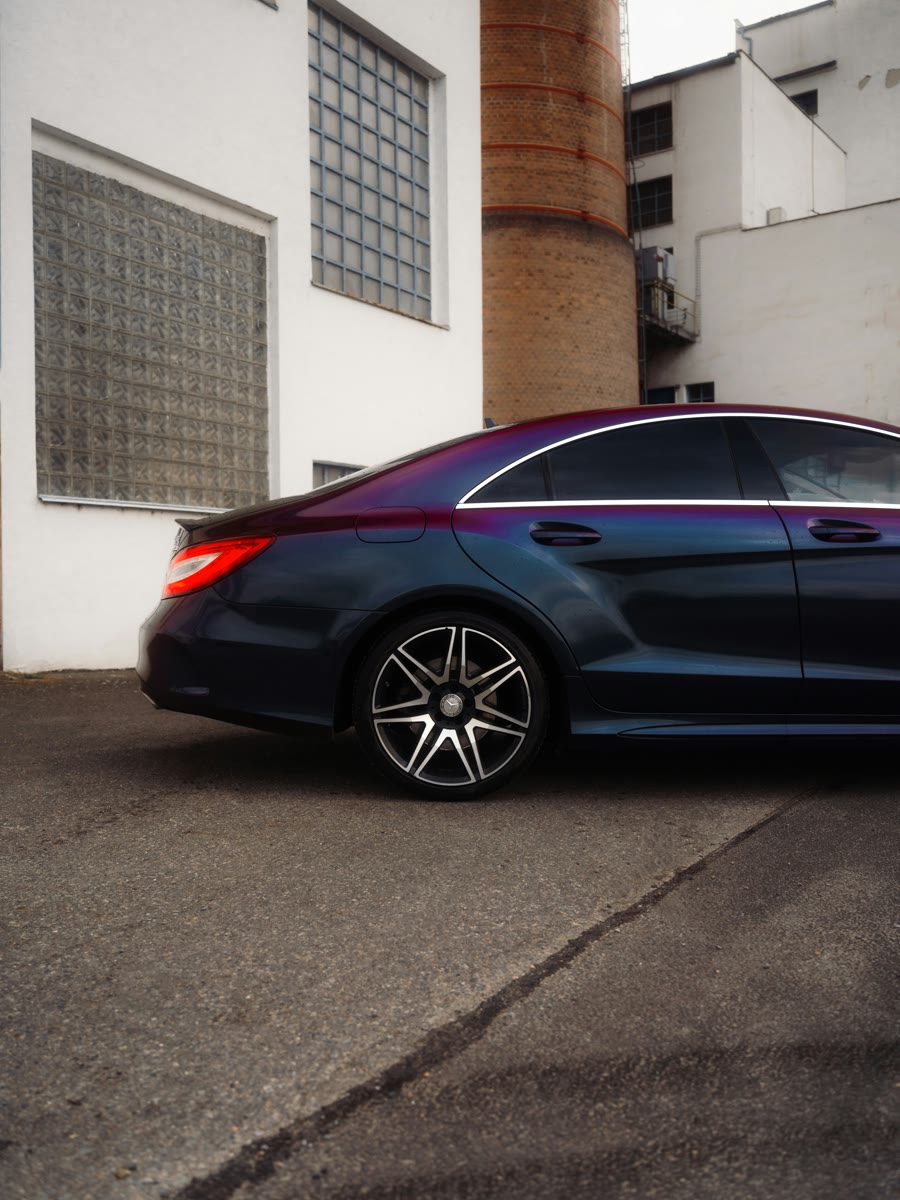
Carbon and Nano-Ceramic Film Options for Fremantle Vehicles
Ceramic Tint for Heat and UV Control
SunTek CIR is a nano-ceramic range available in several darkness levels, which matters when front glass has to stay at or above 35% VLT. CIR 70 Black lists 71% VLT and 46% TSER, CIR 35 Black lists 35% VLT and 52% TSER, and CIR 20 Black lists 22% VLT and 58% TSER. All list more than 99% UV rejection.
Carbon Ceramic Film and Transparent Comparison
Rayno Phantom S9 is a nano carbon ceramic film built on a patented formula. S9-20 lists 20% VLT and 64% TSER, S9-35 lists 35% VLT and 58% TSER, and S9-50 lists 50% VLT and 53% TSER. All list more than 99.99% UV rejection.
TSER, infrared rejection, UV rejection and VLT measure different properties and are not interchangeable. The right option is the one that meets your legal VLT while addressing your main goal, whether that is heat, glare, appearance, UV protection or privacy.
Verified automotive film specifications
| Film variant | VLT | TSER | UV rejection | IR performance |
|---|---|---|---|---|
| SunTek CIR 70 Black | 71% | 46% | >99% | IRER 59% |
| SunTek CIR 35 Black | 35% | 52% | >99% | IRER 59% |
| Rayno Phantom S9-20 | 20% | 64% | >99.99% | IR rejection 93% |
| Rayno Phantom S9-35 | 35% | 58% | >99.99% | IR rejection 92% |
| Rayno Phantom S9-50 | 50% | 53% | >99.99% | IR rejection 92% |
Figures are manufacturer-published and vary by variant and product update, so confirm the current data sheet for the exact film being quoted.
Frequently Asked Questions
How much does car tinting in Fremantle cost?
Pricing starts from $249 and runs to around $550, subject to make and model. The quote depends on glass area, the film selected, the legal VLT required and whether existing film needs removing. Sharing the make, model and location allows a more accurate mobile quote.
Is 35% tint legal on front windows in WA?
Windows forward of the "B" pillar must have a final combined visible light transmission of at least 35%. A film labelled 35% does not automatically comply, because VLT is measured through the factory glass and the installed film together.
Can rear car windows be darker than front windows?
Yes. Glass behind the "B" pillar can have a final VLT of at least 20% where ADR14-compliant external rear vision mirrors are fitted on both sides. The right selection still depends on the factory glass and the combined reading.
Can window film be installed on a windscreen?
No, except for a tinted band across the top. The band must stay above the wiper sweep, remain outside the primary vision area and cover no more than 10% of the windscreen area.
How long should I wait before lowering tinted windows?
Follow the installer's curing guidance. Newly installed film can show small water marks or haze while drying, and windows commonly need to stay closed for several days. Drying time varies with weather and film type.
Conclusion
Protec Glass Tinting provides a lifetime manufacturer warranty on SunTek CIR and Rayno Phantom S9 films. For a Fremantle quote, share your vehicle make, model, location, preferred appearance and heat-control goals, and confirm the final legal VLT approach before installation.