Car Tinting Mandurah
In Western Australia, every window forward of the "B" pillar must transmit at least 35% visible light (VLT), whether or not film is fitted. Behind the "B" pillar the minimum is 20% VLT, and only where ADR14-compliant external rear vision mirrors are fitted on both sides. The windscreen takes no film beyond a band above the wiper sweep.
Quick answer: Your legal tint level is based on the combined reading of the factory glass and the installed film, not the number printed on the film roll. A compliance check before installation matters most on vehicles with factory privacy glass.
Our Mandurah visits are part of our window tinting service in Perth, and with our mobile tinting service there is no drop-off or waiting room. Ask about our ceramic tint range if you want the strongest heat control. Our nearby service areas include Baldivis and Rockingham.
Mobile Automotive Tinting for Mandurah Vehicles
Car Window Tinting Services in Mandurah
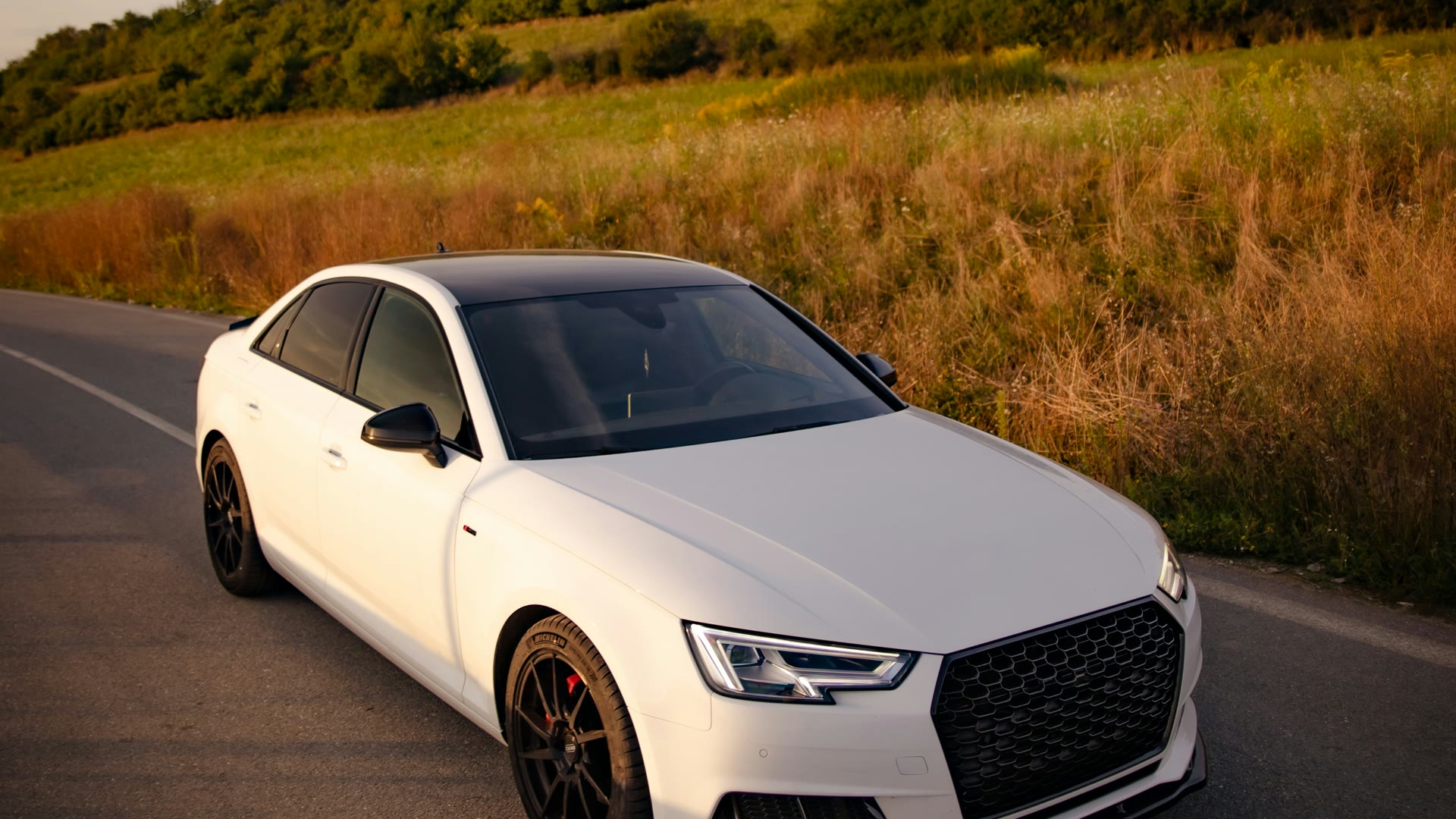
Mobile tinting removes the need to arrange a separate trip while your vehicle is fitted. Protec Glass Tinting brings the equipment to a suitable home or workplace location in Mandurah, then confirms the glass layout, preferred appearance and a compliant film direction before installation begins.
Window tinting is the only thing we do, which matters when the work involves curved glass, close edge finishing and consistent shade selection across a vehicle. Clean preparation and a controlled work area are what produce a clear, bubble-free result.
We match film to the vehicle's actual glass rather than to a generic darkness recommendation. That suits owners of cars, SUVs, utes, vans and work vehicles alike.
Glare Reduction for Safer Driving
Window film reduces glare entering through the side and rear glass, which is useful for Mandurah drivers dealing with bright coastal conditions, low afternoon sun and the longer commute north toward Perth.
Film selection balances glare reduction against clear outward visibility and a legal VLT. A darker film is not automatically the better answer, because the final reading depends on the film and the vehicle glass together.
Vehicle details that support an accurate recommendation
- Vehicle make, model, year and body style
- Whether the vehicle has factory privacy glass
- Preferred appearance, privacy and heat-control priorities
- Home or workplace suburb and available installation area
- Whether old tint needs removing before new film is installed
How much should it cost to tint a car?
Car tinting in Mandurah starts from $249 and runs to around $550, subject to make and model. Basic dyed film sits at the lower end, while carbon and nano-ceramic films cost more. SUVs, larger glass areas and old-tint removal push the figure up.
A quote should state clearly whether installation, warranty and removal of existing film are included. Compare like for like, and ask what final VLT the vehicle will meet rather than judging on the headline price alone.
Typical factors affecting a tinting quote
| Quote factor | Why it can affect your price |
|---|---|
| Vehicle size and glass shape | Larger SUVs, vans, utes and complex curved glass need more film and more installation time. |
| Film technology | Dyed film is the entry-level option; carbon and nano-ceramic films are priced higher for their performance. |
| Old tint removal | Bubbling, damaged or illegally dark film must be removed and the adhesive cleaned first. |
| Mobile installation conditions | Access, weather protection and workspace suitability affect availability. |
| Warranty and workmanship | Compare the manufacturer warranty and the preparation included in each quote. |
Worth asking: is this quote for carbon or nano-ceramic film, does it include old-tint removal, and what final VLT will my vehicle meet?
Film Choices, Heat Control and UV Ray Protection
Carbon and Premium Ceramic Window Tint Options
Carbon and nano-ceramic films answer different priorities. Carbon suits a clean tinted appearance, privacy and everyday glare management. Nano-ceramic suits drivers who weight solar heat control more heavily and want published performance data to compare.
Film selection should start with how the vehicle is used rather than with a request for the darkest shade. A car parked outside all day values solar performance; a car used for short local trips may value appearance and a legal privacy level.
UV Ray Protection for Vehicle Interiors
UV rejection and solar heat rejection measure different things. UV rejection describes reduced ultraviolet transmission and interior fading protection. TSER describes the proportion of total solar energy rejected. A film can have very high UV rejection without being the highest TSER option in its range.
The SunTek CIR Series carries the Skin Cancer Foundation Seal of Recommendation, awarded for 99% or greater UV protection across 300 to 380 nm. Selected Rayno Phantom S9 and SunTek CIR variants list more than 99% UV rejection.
Selected automotive film specifications
| Film variant | VLT | TSER | UV rejection | Additional listed specification |
|---|---|---|---|---|
| SunTek CIR 35 Black | 35% | 52% | >99% | IRER 59% |
| SunTek CIR 20 Black | 22% | 58% | >99% | IRER 59% |
| Rayno Phantom S9-35 | 35% | 58% | >99.99% | IR rejection 92% |
| Rayno Phantom S9-20 | 20% | 64% | >99.99% | IR rejection 93% |
Important: VLT is the visible light transmitted through the film. The legal reading is taken through the film and the vehicle glass together. TSER means total solar energy rejection and IRER means infrared energy rejection. These are different test measures and are not interchangeable.
WA-Legal Vehicle Window Tint Levels
Legal Vehicle Window Tint Levels
Western Australia sets a minimum 35% VLT forward of the "B" pillar on every relevant window, whether or not film is applied. The reading is taken through the vehicle glass and the installed film together, so a film labelled at a given VLT may produce a different final result once fitted.
Behind the "B" pillar the minimum is 20% VLT, and only where ADR14-compliant external rear vision mirrors are fitted on both sides.
The windscreen cannot carry film except for a tinted band across the top, above the wiper sweep, outside the primary vision area and no more than 10% of the windscreen area.
In plain English: a 35% film is not automatically legal on your front windows. If the factory glass already reduces visible light, the combined reading can fall below the 35% minimum.
Reflective Film and Rear-Glass Considerations
Reflectance is limited to 10%, so reflective or mirror-look film is not a compliant choice. Rear-window decisions also depend on the vehicle's mirror configuration and the required final reading, which is why the vehicle is checked before a rear-glass option is confirmed.
Compliance checkpoints before installation
- Identify glass forward of and behind the "B" pillar
- Check for existing factory tint or privacy glass
- Confirm external rear vision mirrors where relevant
- Select film against the final combined VLT requirement
- Confirm the film is non-reflective
WA automotive tint compliance summary
| Vehicle glass area | Requirement | What this means for you |
|---|---|---|
| Forward of the "B" pillar | Minimum 35% VLT through glass and film together | The final measured result, not the film label, must transmit at least 35% visible light. |
| Behind the "B" pillar | Minimum 20% VLT with ADR14-compliant external rear vision mirrors on both sides | Rear tint choices depend on the mirror configuration and the final combined VLT. |
| Windscreen | No film except a top band above the wiper sweep, outside the primary vision area, no more than 10% of the windscreen area | Do not tint the main windscreen viewing area. |
| Reflectance | Maximum 10%, no reflective or mirror-look film | Choose a non-reflective automotive window film. |
Official reference: Western Australian Department of Transport bulletin IB-119D and the Road Traffic (Vehicles) Regulations 2014. Check the current guidance before booking, especially if your vehicle has privacy glass, imported glass or previous tint.
Is mobile car tinting available in Mandurah?
Yes. Mobile car tinting is available in Mandurah, with the installer travelling to a home, workplace or other suitable location. Availability depends on vehicle size, weather and access to a clean, sheltered workspace. Ask whether travel costs apply and how the film is protected while it cures.
This suits you if you cannot leave the vehicle at a workshop. The installer will need a clean, sheltered and reasonably dust-free area with room to work around the doors.
Questions to ask before booking
- Does the service cover your suburb and vehicle type?
- Is there a travel or mobile-service surcharge?
- Can the technician remove old tint if needed?
- Which film brands, VLT levels and warranties are available?
- What weather or workspace conditions could require rescheduling?
Mobile installation is as effective as workshop tinting when done with proper preparation in a suitable environment. Afterwards, avoid lowering the windows or cleaning the inside glass until the film has cured, commonly several days.
Mobile Installation, Care and Quote Planning
Mobile Car Tint Installation in Mandurah
A suitable site keeps glass preparation clean and film application controlled. The vehicle needs accessible doors, room around the glass, practical weather protection and a spot where the technician can work uninterrupted.
The appointment starts by confirming the vehicle, the selected film and the legal tint direction, which is your chance to check the agreed option and the aftercare requirements before work begins. Glass is then prepared, film is cut and applied to each agreed window, and you receive guidance on the curing period and operating the windows afterwards.
Tint Curing and Ongoing Window Care
Fresh film can show temporary haze or small water pockets while moisture clears during curing. Leave these alone, and keep the windows closed until the technician's guidance says they can be operated normally.
Curing time varies with film type, weather, glass temperature and humidity, so the supplied instructions take priority over general advice. Once cured, clean with a soft cloth and a suitable glass-cleaning method, and keep abrasive tools away from the film edges.
Mobile appointment checklist
- Provide the vehicle make, model, year and body style
- Share the suburb and whether installation is at home or work
- Arrange accessible parking and practical weather protection
- Discuss factory privacy glass and the preferred film outcome
- Tell the installer if old film, adhesive residue or damaged tint is present
Aftercare essentials
- Follow the technician's window-operation guidance
- Allow temporary curing haze or water pockets to clear
- Clean only after the advised curing period
- Use soft, non-abrasive cleaning materials
- Contact the installer through the warranty process if concerns remain
Frequently Asked Questions
How much is car tinting in Mandurah?
Pricing starts from $249 and runs to around $550, subject to make and model. The quote depends on the glass layout, the carbon or nano-ceramic film selected, old-tint removal and mobile-service requirements. Share the make, model, year and installation suburb for a quote matched to the vehicle.
Is 35% tint legal on front windows in Western Australia?
Forward of the "B" pillar the final reading must be at least 35% VLT through the glass and film together. A film labelled 35% does not automatically meet this, because the vehicle glass affects the completed result.
Can car tinting be installed at my home or workplace?
Yes. Mobile installation can be completed at a suitable Mandurah home or workplace. The vehicle needs accessible parking, working space around the doors and practical weather protection so the glass can be prepared properly.
Which window tint rejects the most solar heat?
Among the listed variants, Rayno Phantom S9-20 lists up to 64% TSER. The right choice must also suit the vehicle glass, the required final VLT and your preferred appearance, and manufacturer figures vary by shade and test conditions.
Can reflective or mirror-look tint be used in WA?
No. Reflectance is limited to 10%, so reflective or mirror-look film is not compliant. A suitable recommendation uses a non-reflective film that meets the final VLT requirement for each window.
Conclusion
Protec Glass Tinting offers a lifetime manufacturer warranty on SunTek CIR and Rayno Phantom S9 films. For the most accurate Mandurah quote, include your vehicle make, model, year and body style, whether it has factory privacy glass or old tint, your installation suburb, and whether your priority is privacy, glare reduction or heat control within the WA limits.