
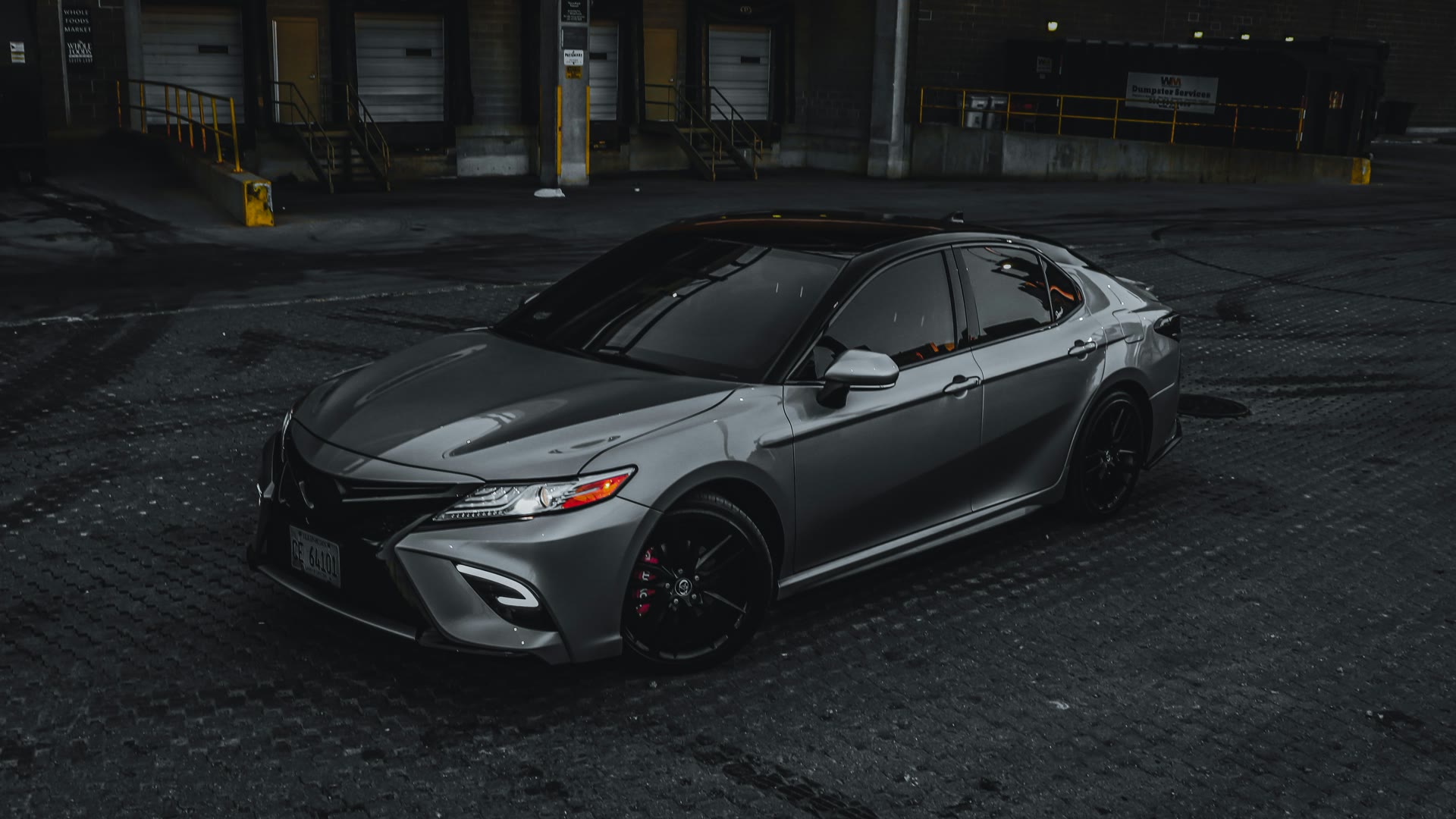
Car Tinting WangaraFrom $249, Without Leaving Your Yard
Car tinting in Wangara starts from $249 for a standard passenger vehicle, with most vehicles between $249 and $550. We're mobile only, so we come to your home, workplace, yard or warehouse. No call-out fee and no suburb loading across Wangara, Landsdale, Darch, Madeley and the northern corridor.
Quick answer: you provide a clean, dry, covered space. We check the vehicle, the glass, the film choice and the legal VLT target before any film is cut, so the car stays on site and the finish holds up.
The Wangara service works like the rest of our window tinting in Perth: we come to you. See how mobile car tinting works before you book, and if heat is the main problem, compare ceramic tint with our other films. Other nearby suburbs we cover include Joondalup, Balcatta, Ellenbrook and Malaga.
Mobile Tinting That Keeps Your Vehicles On Site
Tinting at Your Yard or Workplace
Wangara has more tinting workshops per square kilometre than anywhere else in Perth, yet a workshop booking still takes a working vehicle out of the place it's needed. We're deliberately not one of them. We travel to the home, workplace, trade yard or warehouse, so the vehicle never leaves its normal location.
That suits company cars parked at an office, utes between jobs, vans staged at a warehouse, and private vehicles at home in Landsdale, Darch or Madeley. The requirement isn't a particular kind of premises but a clean, dry, reasonably sheltered space with room to work around the glass.
Fleet Runs, Staged Around Your Week
Fleet work is a large part of what we do here. Runs of utes, panel vans and company cars are fitted in sequence at your yard, rather than taking the whole fleet off the road at once. The schedule identifies which vehicles can be released first and which have to stay available for deliveries, site work or customer visits.
More than three vehicles is quoted as one complete job rather than per vehicle, because the mix, the film, any existing tint and the site access all interact. A covered warehouse bay is the most flexible fleet environment: shelter, controlled access, and each vehicle checked before the next goes in.
Where mobile fitting works in Wangara
- Covered warehouse and workshop-adjacent bays
- Trade yards with a dry, sheltered area
- Office car parks with a suitable covered space
- Home garages and carports across the northern suburbs
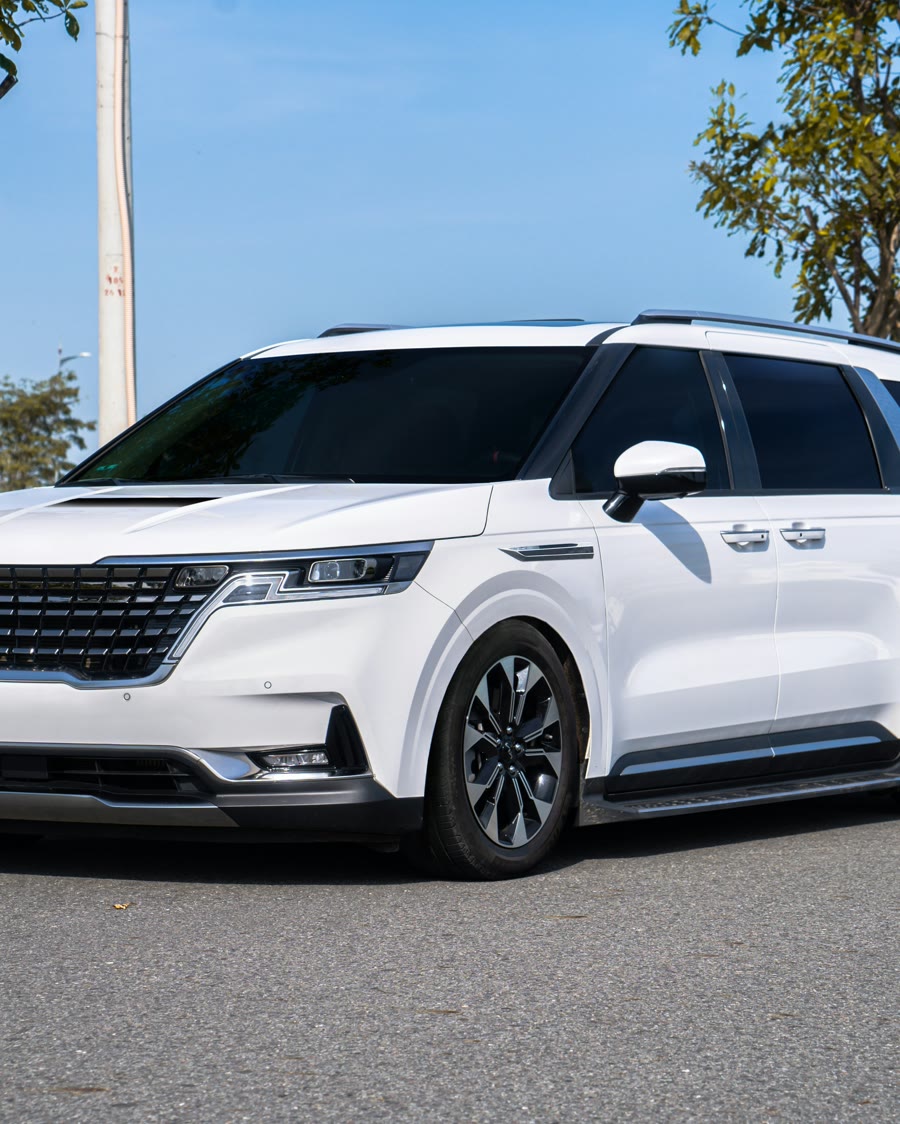
Do You Tint Fleet Vehicles at Our Wangara Premises?
Yes. We travel to Wangara yards and warehouses to tint runs of utes, vans and company cars. More than three vehicles is quoted as one complete job, and the run is staged so the whole fleet is never off the road at once.
The industrial grid around Prindiville Drive, Berriman Drive and Buckingham Drive is exactly where on-site service pays. It removes the repeat trips to a tinting unit and the staff time lost ferrying vehicles back and forth.
How a fleet run is organised
- Send the vehicle types, quantities and preferred work location.
- Identify a clean, dry, sheltered bay or warehouse area.
- Flag the vehicles that must stay operational.
- Agree a staged schedule that keeps those vehicles running.
The same service extends through Malaga, Gnangara, Wanneroo and Neerabup, with no call-out fee and no suburb loading.
Why Trade Vehicles Get Tinted
What's Visible Through the Glass
A work vehicle parked on a job site or outside a trade counter advertises what's inside it. Tools, stock and equipment sitting behind clear rear glass are a shopping list for anyone walking past. Darker rear film on a qualifying ute or van makes the load area far harder to assess from the footpath, which is a large part of why trade operators ask for it.
That's also where the goods-carrying classification matters most. The rear glass on a qualifying vehicle can go considerably darker than a passenger car's, so the privacy gain is real rather than marginal, provided the vehicle genuinely qualifies.
Heat, in and out of the Cab All Day
A trade vehicle rarely sits in a garage. It's parked in the open between jobs, doors opening and closing through the hottest part of the day, and the cabin never gets a chance to cool. Film rejecting up to 64% of total solar energy takes the edge off that, particularly on the western-facing glass a vehicle catches through a Perth afternoon.
The same exposure works on the interior. Dashboards, seat trim and door cards on vehicles that live outdoors fade and harden years earlier than on a garaged car. Over 99% UV rejection slows that down, which matters more on a fleet asset you intend to keep or resell than on a weekend car.
What trade operators usually want from it
- Load area that can't be assessed at a glance
- A cabin that isn't punishing between jobs
- Interiors that survive years parked outdoors
- Glare control for early starts and afternoon runs
- A finish that stays legal for the vehicle's classification
Legal Tint for Cars, Utes and Panel Vans
The Rule Is the Finished Window, Not the Film
WA measures VLT through the factory glass and fitted film together, never from the film label alone. Forward of the "B" pillar, side windows must retain at least 35% VLT. Behind it on a passenger car, at least 20% VLT, and only where ADR14-compliant external rear vision mirrors are fitted on both sides.
The windscreen carries no film except a top band above the wiper sweep, outside the primary vision area, covering no more than 10% of the windscreen. Reflectance must not exceed 10%, so mirror-look film is out.
Darker Rear Glass on Qualifying Work Vehicles
Goods-carrying vehicles follow different rear-window rules. A ute with a separate cargo area, or a qualifying panel van, is not subject to the passenger-car 20% minimum behind the driver, so that rear glass can go considerably darker. Front side windows still need at least 35%, the same as any vehicle.
Qualification turns on how the vehicle is built and registered, not on whether it looks like a ute. That's why the specific vehicle is checked before any film is cut: body style, seating layout and registration details all bear on it. Get the classification wrong and it's a defect notice plus paying twice, once to fit the film and once to strip it off.
Checks before we cut film
- Estimate the combined glass-and-film VLT for this vehicle
- Confirm front side windows clear the 35% minimum
- Confirm passenger-car rear glass clears 20% where that rule applies
- Verify whether a ute or van actually qualifies as goods-carrying
- Keep the windscreen to a permitted top band only
Sources: Department of Transport bulletin IB-119D, the Road Traffic (Vehicles) Regulations 2014 and ADR14. Requirements can change, so confirm current rules before installation.
Can You Get Your Car Tinted in the Rain?
Yes, if the vehicle is inside a garage, carport, covered workplace bay or warehouse. Rain itself isn't the blocker: the problem is moisture and airborne dust in an exposed area. With no sheltered space available, rescheduling beats rushing the job.
A covered Wangara yard or warehouse bay works in any weather, which is what makes mobile fitting practical for a business that can't wait for a clear week. An open, exposed area in poor conditions is a different matter, and we'd rather move the appointment than fit film into contamination.
What we need on site
- Cover from rain and wind-blown dust
- Room to open the doors and work safely around the glass
- A reasonably clean area, particularly around door trims and window seals
- The vehicle dry, accessible and free of loose items at the agreed time
What Is the Darkest Legal Tint in Western Australia?
For a passenger car, the darkest permitted glass behind the "B" pillar is generally 20% VLT, and only where ADR14-compliant external rear vision mirrors are fitted on both sides. Forward of the "B" pillar the minimum is 35% VLT. Both are measured through the factory glass and film together.
Qualifying goods-carrying vehicles are the exception: a ute with a separate cargo area or a qualifying panel van can go darker behind the driver, because the 20% passenger-car minimum doesn't apply to that glass.
In plain terms: a film called "20%" isn't automatically legal just because it's going on rear glass. The finished window has to meet the rule for your vehicle type and window position, and the factory glass moves that reading.
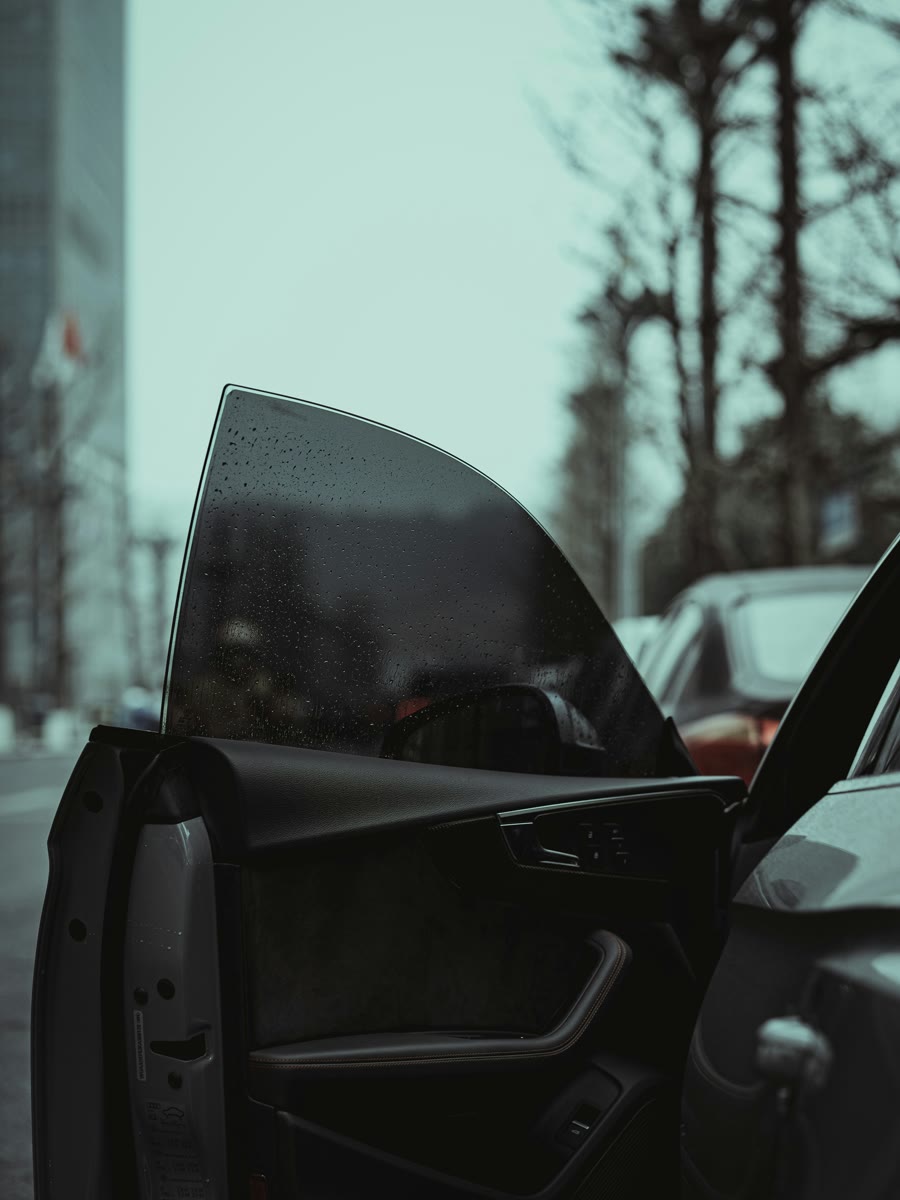
Ceramic Film Options and Shade Selection
Two Ranges, Six Shades
SunTek CIR is a nano-ceramic range; Rayno Phantom S9 is a nano carbon ceramic range. Two quality options rather than a catalogue. SunTek CIR holds the Skin Cancer Foundation Seal of Recommendation for 99%+ UV protection across 300 to 380 nm; the listed Rayno options exceed 99.99%. Both carry a lifetime manufacturer warranty, subject to manufacturer terms.
VLT is the share of visible light passing through glass and film together, so lower reads darker. TSER is total solar energy rejected, the figure to compare for heat. Selection starts from the vehicle and the legal target, not from a request for the darkest possible look, because the same film measures differently on different factory glass.
Manufacturer-published specifications
| Film variant | VLT | TSER | UV protection | Where it tends to fit |
|---|---|---|---|---|
| SunTek CIR 70 Black | 71% | 46% | >99% | Lighter look, highest visible-light transmission |
| SunTek CIR 35 Black | 35% | 52% | >99% | Front side glass, subject to the combined reading |
| SunTek CIR 20 Black | 22% | 58% | >99% | Permitted rear applications by classification |
| Rayno Phantom S9-50 | 50% | 53% | >99.99% | Glare reduction with a lighter finish |
| Rayno Phantom S9-35 | 35% | 58% | >99.99% | Needs a combined glass-and-film check first |
| Rayno Phantom S9-20 | 20% | 64% | >99.99% | Eligible rear glass, not an automatic front option |
Specification note: these figures describe the film. The legal on-road result is the completed glass-and-film combination.
Pricing, Coverage and Booking
What It Costs
From $249 for a standard passenger vehicle, with most vehicles between $249 and $550. Premium ceramic sits toward the upper end of that range rather than in a separate higher category. The figure follows the make, model, body style, window count, film selected and whether existing tint needs attention.
Fleet work over three vehicles is quoted as a complete job, so the mix, the staged schedule and the site conditions are weighed together instead of forcing a per-vehicle figure onto work that isn't per-vehicle.
At a glance
| Service detail | What to expect |
|---|---|
| Standard passenger vehicle | From $249 |
| Typical range | $249 to $550, by vehicle, film and install requirements |
| Call-out fee | None across the northern service area |
| Suburb loading | None across the northern service area |
| Fleet pricing | More than three vehicles quoted as one job |
| Workspace needed | Clean, dry, sheltered, with access around the vehicle |
Coverage and what to send
Wangara plus Landsdale, Darch, Gnangara, Madeley, Malaga, Wanneroo and Neerabup, extending south to Osborne Park and north to Joondalup, at the same prices throughout. For an accurate quote send the make, model, year and body style, whether tint is already fitted, the result you want, the installation address, the sheltered space available, and the vehicle count if it's a fleet enquiry.
Fitting and Aftercare
How the Fitting Runs
Good installation starts with thorough glass preparation and careful film placement. Edges, glass condition and the agreed legal result are checked before the vehicle is signed off. Tell us about existing tint or damaged glass beforehand, and flag any site-safety or vehicle-access requirement so it's planned rather than discovered.
Curing and Cleaning
Fresh film needs time to cure. Temporary haze or small moisture marks are part of that, not a fault. Leave the windows undisturbed until the film has settled and the care guidance supplied at fitting says otherwise.
Clean tinted glass with a soft cloth and a non-abrasive cleaner. Blades, abrasive pads and harsh tools mark glass and film, and that damage is entirely avoidable. If a concern remains after normal curing, raise it with the vehicle details and warranty documentation so it can be assessed under the manufacturer terms.
Wangara
Common Questions
From $249 for a standard passenger vehicle, with most jobs between $249 and $550 depending on the vehicle, the film and any existing tint. No call-out fee and no suburb loading. Fleet work over three vehicles is quoted as one complete job. Full price list here.
Yes, qualifying ones can. Goods-carrying vehicles with a separate cargo area aren't subject to the 20% minimum that applies behind a passenger car's driver, so that rear glass can go considerably darker. Front side windows still need at least 35%.
Eligibility rests on how the vehicle is built and registered, not on how it's used, so we confirm the specific vehicle qualifies before cutting any film. Getting it wrong means a defect notice and paying twice, once to fit the film and once to strip it off.
Yes, if it's under cover. A garage, carport, covered workplace bay or warehouse all work. Rain itself isn't the blocker; moisture and airborne dust in an exposed area are. If the only space is open and the weather is poor, we'd rather move the appointment than fit film into contamination.
Yes, it's a large part of what we do in Wangara. We come to your yard or warehouse and work through runs of utes, vans and company cars, staged so the whole fleet is never off the road at once. Tell us how many and what they are, and which ones have to stay available.
Landsdale, Darch, Gnangara, Madeley, Malaga, Wanneroo and Neerabup, plus the corridor south to Osborne Park and north to Joondalup, all at the same prices with no call-out fee.
Ready when you are
Book Mobile Tinting
In Wangara
Single vehicle or a full fleet: tell us what you're running and we'll come to your site.